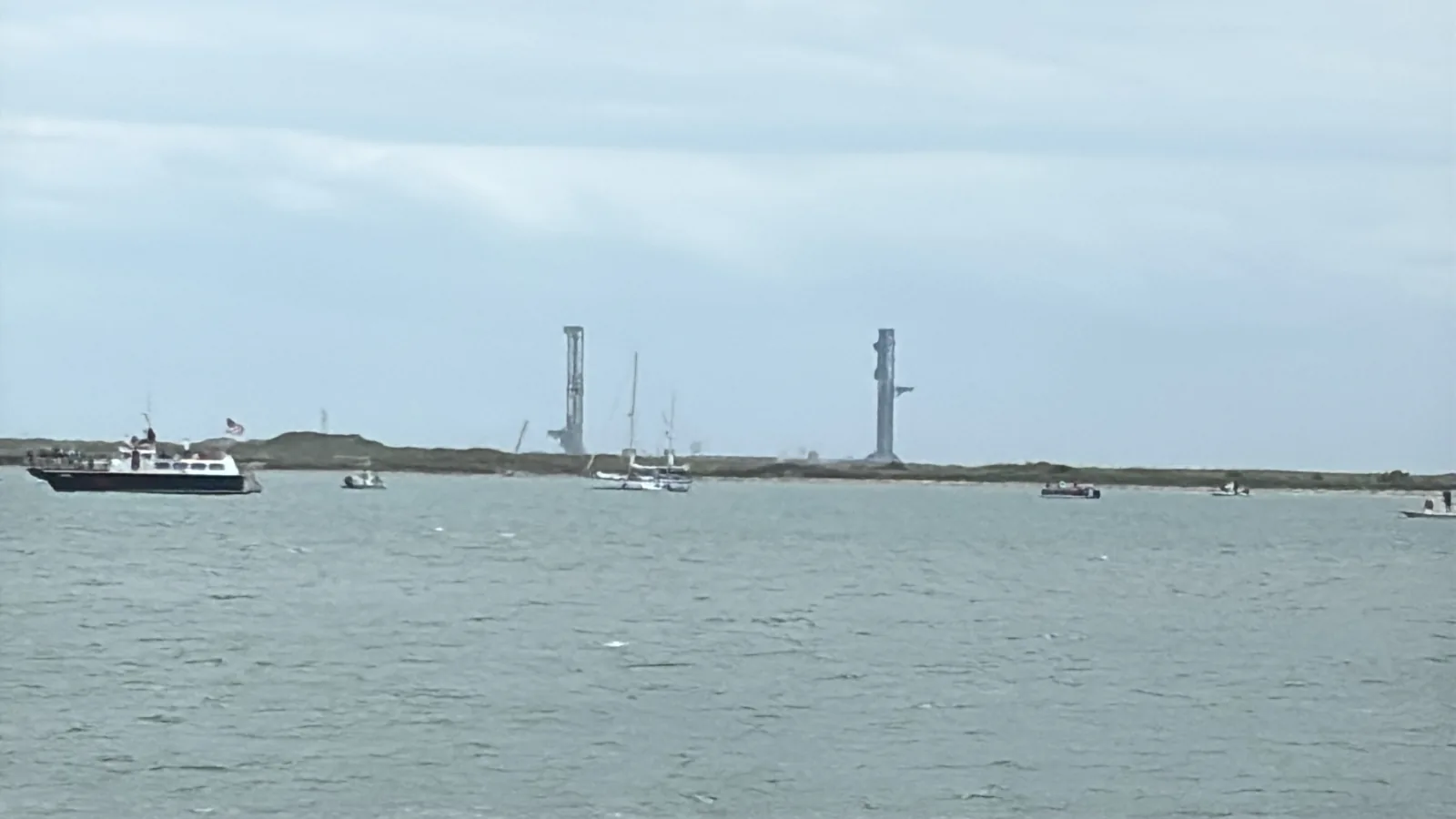
One of the coolest adventures I've had in the past couple of months was traveling down to South Texas to watch a SpaceX Starship launch. I've been following the Starship program for years, and seeing one of these enormous rockets lift off in person is an experience that's difficult to describe. Videos are impressive, but they don't come close to capturing the size, power, and excitement of being there.
SpaceX's Starbase facility is located near Boca Chica Beach, just outside Brownsville and not far from South Padre Island. What was once a quiet stretch of the Texas Gulf Coast has become one of the most interesting places in the world for space exploration. The company is developing the largest and most powerful rocket system ever flown, with ambitions that extend far beyond launching satellites.
The ultimate goal is to develop a fully reusable transportation system capable of carrying people and cargo to the Moon, Mars, and beyond.
Getting Close to the Starship Launch
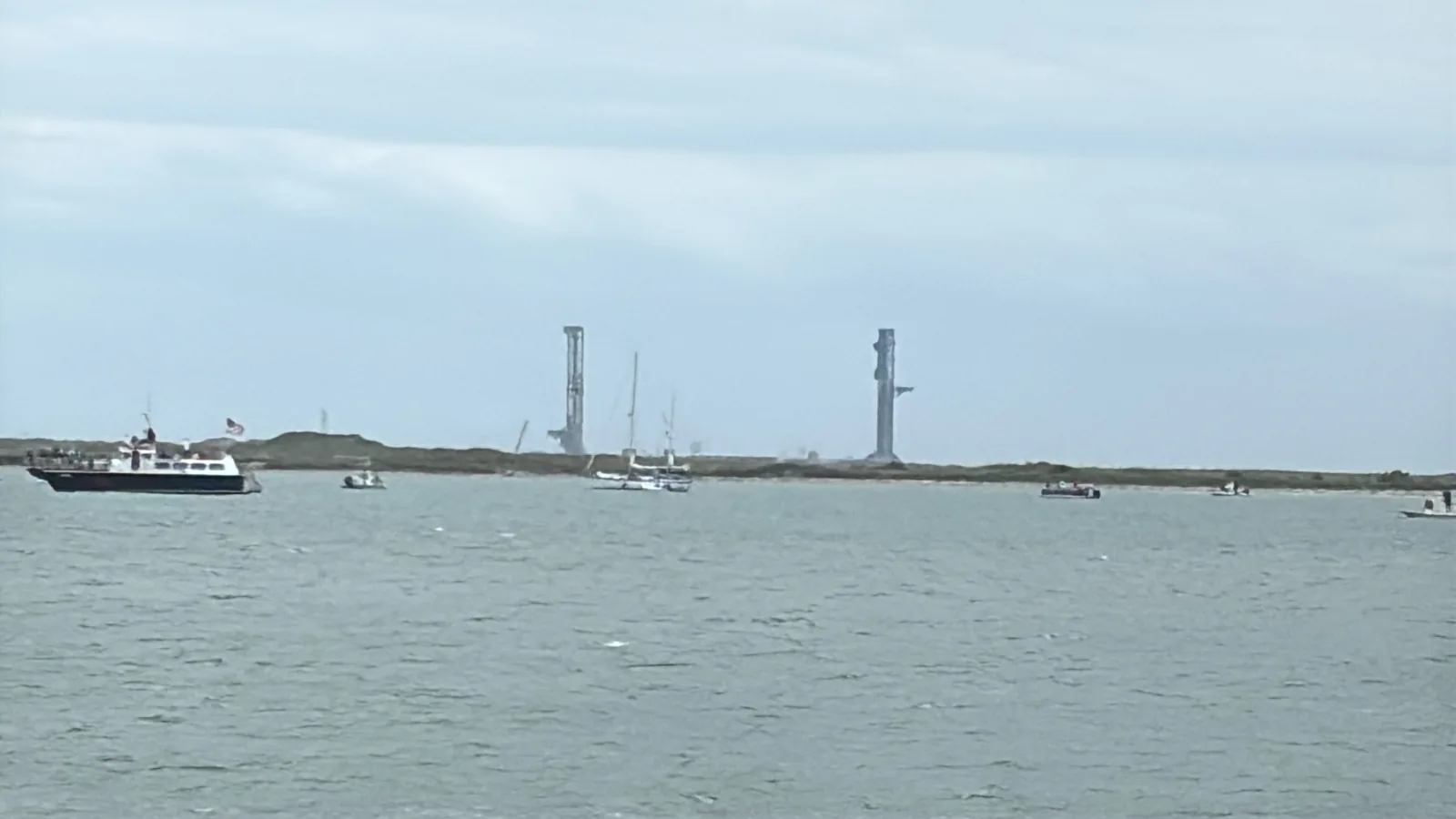
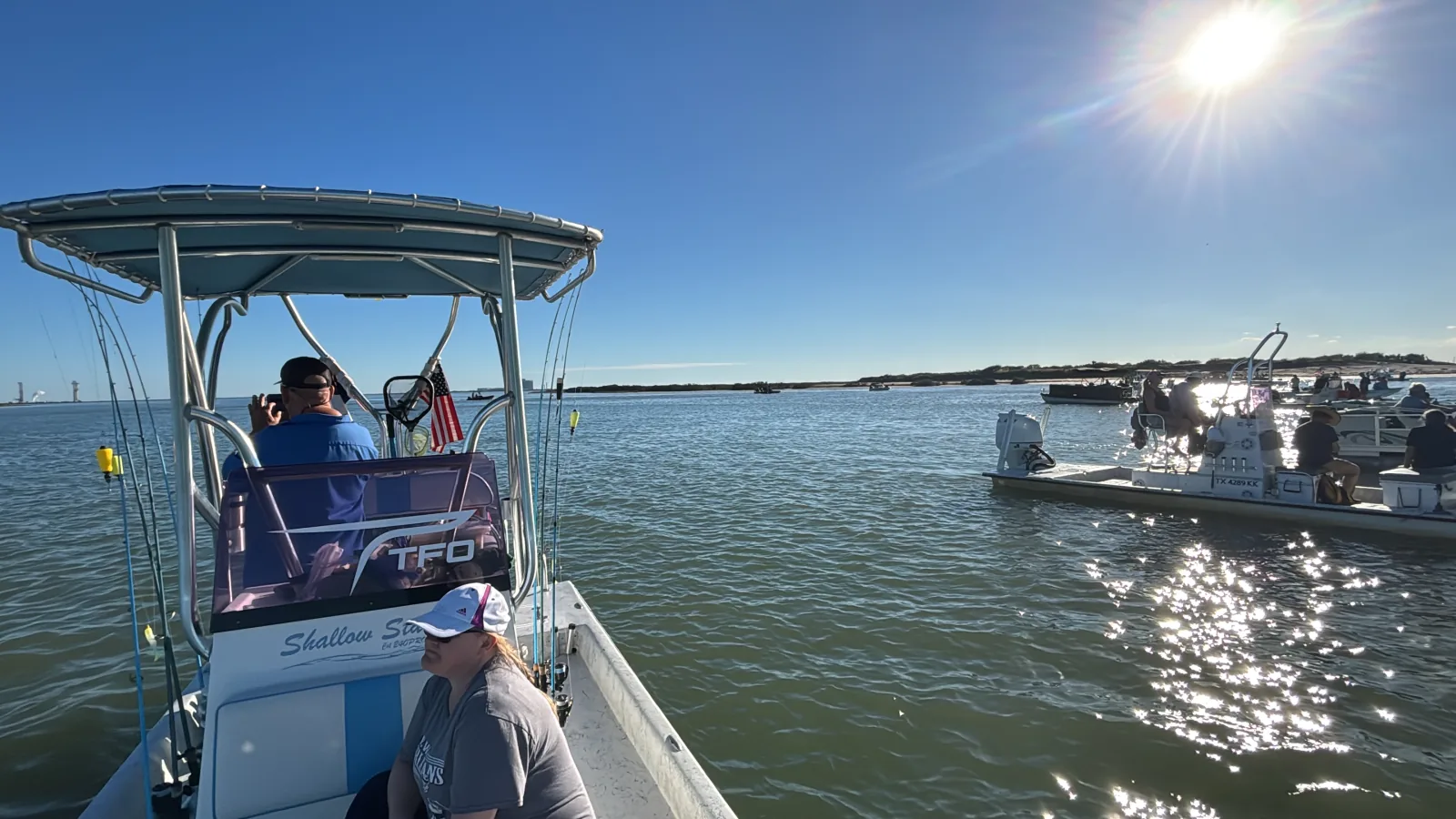
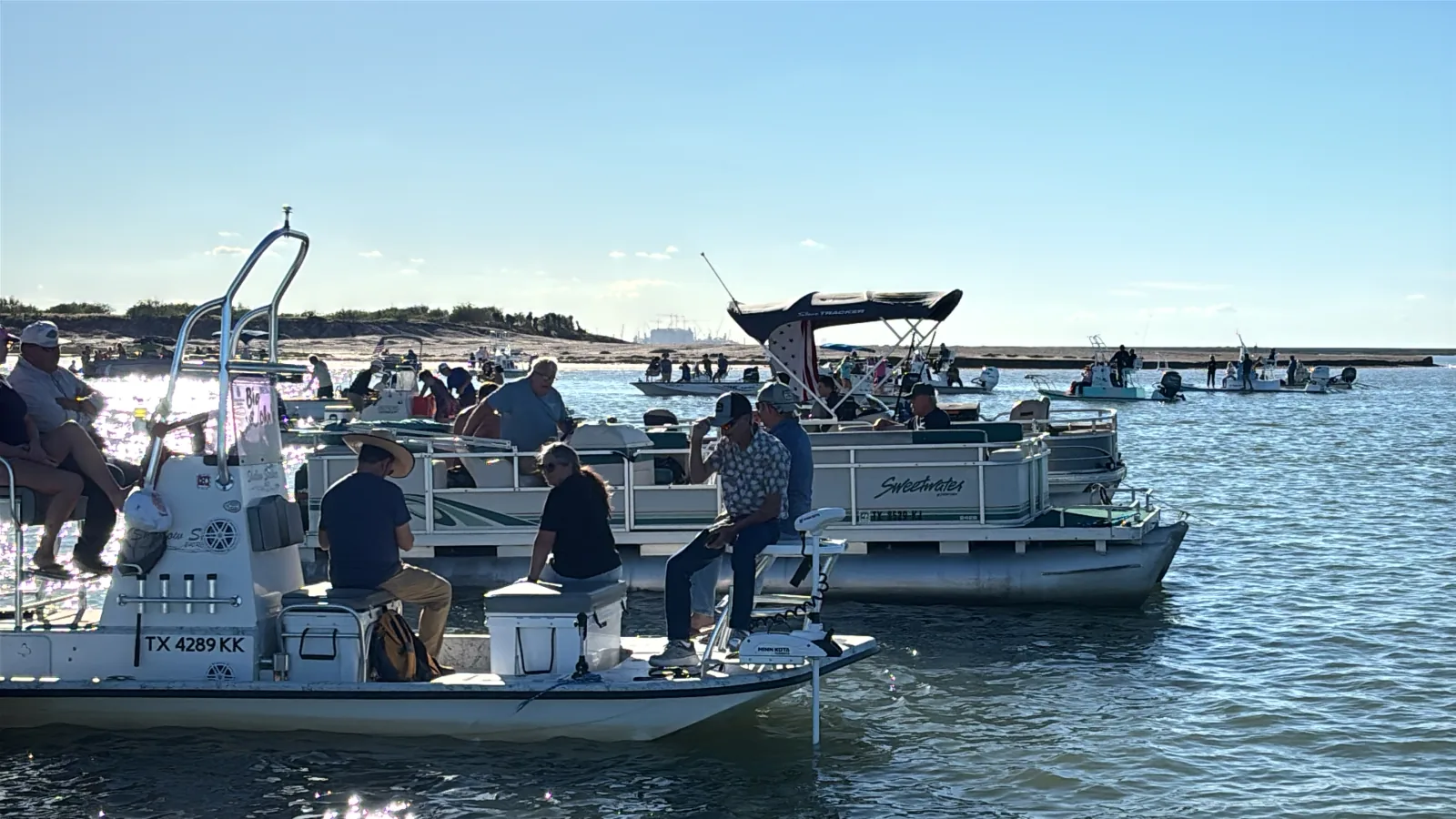
Rather than watching from one of the crowded public viewing areas, we decided to make the trip a little more interesting. We hired a local fishing captain to take us out on the water, hoping to get a great view of the launch from a legal viewing area outside the restricted zone.
Being an avid fisherman, getting out on the water was already part of the fun. The South Texas coast is a beautiful place to spend a day, and combining a boat trip with a rocket launch made the experience even better.
From the water, you get a completely different perspective of the Starbase facility and the surrounding coastline. The launch tower and enormous rocket dominate the landscape, even from miles away.
When the engines finally ignite, the experience is unforgettable. You first see the enormous plume of fire and exhaust as the rocket begins climbing into the sky. The sound follows, building into a deep rumble that you can feel as much as hear.
It's one thing to watch a launch on television. It's another to be outdoors, looking across the Gulf Coast as one of the most powerful machines ever built rises into the sky.
The Starship Launch Sequence
The Starship rocket system consists of two major sections. The lower section, called Super Heavy, is the massive booster responsible for lifting the vehicle off the launchpad. Above it sits Starship, the spacecraft designed to carry payloads and eventually passengers into space.
At liftoff, dozens of powerful Raptor engines ignite beneath Super Heavy, producing an extraordinary amount of thrust.
Approximately two to three minutes after launch, the booster separates from the Starship upper stage. Super Heavy then begins its return toward the launch site while Starship continues its journey toward space.
One of the most remarkable features of the system is SpaceX's plan to recover the Super Heavy booster using giant mechanical arms attached to the launch tower. Instead of landing on legs or an offshore platform, the booster returns vertically and is caught by the tower itself.
SpaceX has already demonstrated this remarkable technology, and it represents a major step toward making extremely large rockets reusable.
The Starship spacecraft continues into space, where it can deploy satellites, conduct experiments, or eventually transport cargo and passengers.
The mission profile we were following called for Starship to deploy 26 Starlink satellites, complete approximately 14 orbits around Earth over about 22 hours, and return the following day for an attempted vertical landing and recovery at the launch site.
The long-term objective is even more ambitious: SpaceX wants to recover both Super Heavy and Starship at the same launch facility, inspect and refuel them, and eventually launch them again with minimal refurbishment.
If the company can accomplish that consistently, it could dramatically change the economics of space travel.
Why Starship Is Such a Big Deal
Traditional rockets have historically been expensive partly because so much hardware was discarded after every launch. SpaceX changed that equation with Falcon 9, which routinely lands and reuses its first-stage boosters.
Starship takes the concept much further.
The vehicle is designed to carry substantially larger payloads than Falcon 9, while ultimately making both stages reusable. SpaceX hopes that this combination will allow much more cargo to reach orbit at a lower cost per kilogram.
Starship is also central to SpaceX's plans for lunar exploration and eventual missions to Mars. NASA has selected a version of Starship as a lunar landing system for its Artemis program, although substantial testing and development remain before it can carry astronauts to the Moon.
There are still enormous engineering challenges to overcome, including heat shielding, orbital refueling, rapid reusability, and safe recovery of the spacecraft.
Nevertheless, the progress being made at Starbase is fascinating to watch.
Planning Your Own Starship Launch Trip
If you're interested in space exploration, I highly recommend making the trip to South Texas to experience a Starship launch firsthand.
South Padre Island makes an excellent base for the adventure. There are plenty of hotels, restaurants, beaches, and fishing opportunities, so the trip can be enjoyable even if the launch gets delayed.
And launch delays are something you should absolutely plan for.
SpaceX frequently changes launch schedules because of weather, technical issues, testing requirements, or regulatory considerations. A launch scheduled for one day can easily move to another.
I recommend allowing several days rather than planning your entire trip around a single launch window.
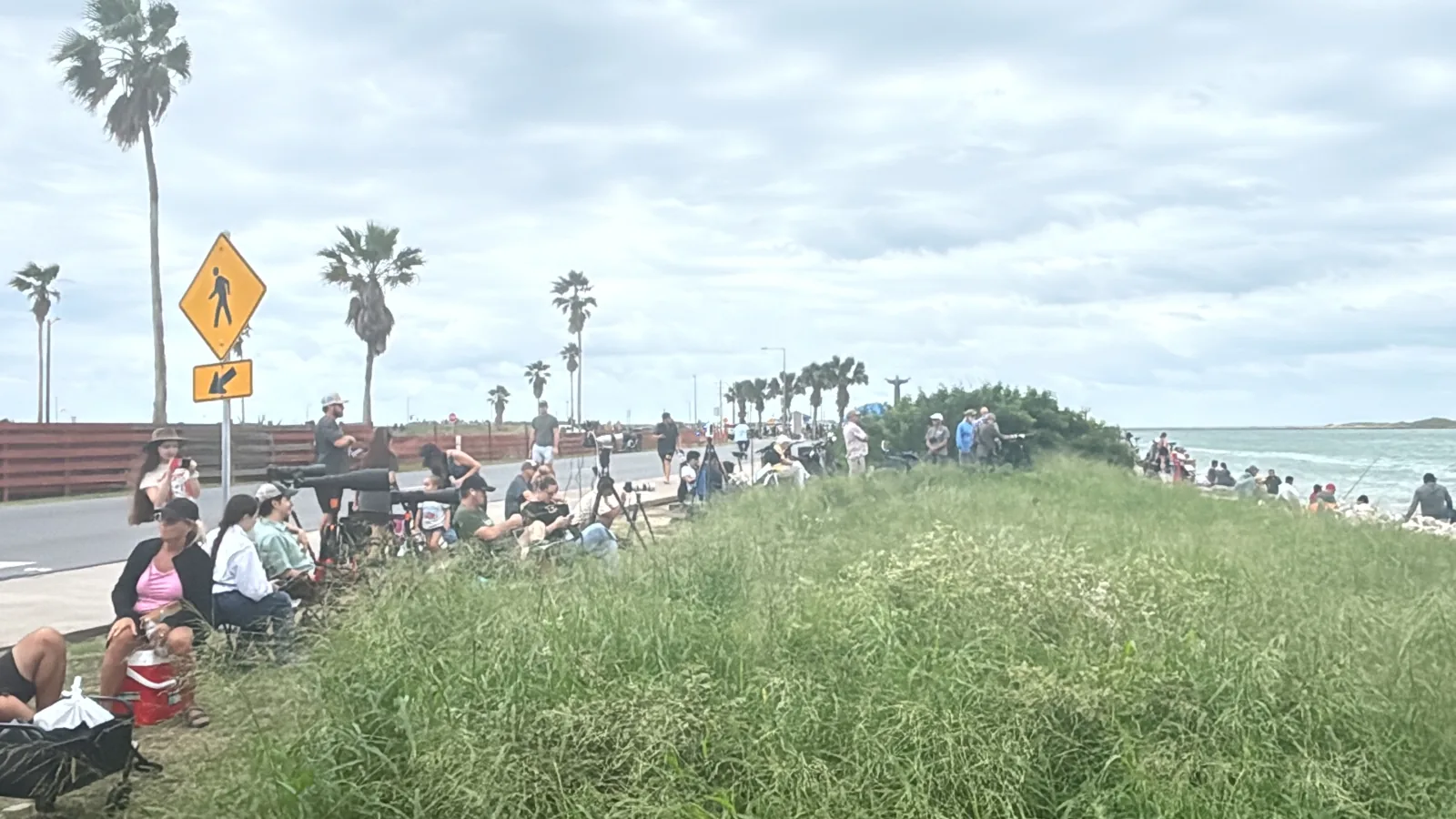
Public viewing areas around South Padre Island can offer excellent perspectives, and local boat operators may also offer trips during launch periods when conditions and maritime restrictions permit. Always check current road, beach, and waterway closures before choosing a viewing location.
For us, hiring a fishing captain made the experience particularly memorable. We got to spend time on the water, enjoy the South Texas coastline, and witness a historic aerospace project from a completely different perspective.
A Front-Row Seat to the Future of Space Travel
I've enjoyed plenty of outdoor adventures over the years, from fishing trips to exploring different parts of Texas, but watching Starship launch ranks near the top.
The combination of the enormous rocket, the excitement surrounding the launch, and the experience of being out on the water made it a trip I'll remember for a long time.
What makes it even more interesting is knowing that this technology is still in its early stages. SpaceX is attempting to develop a transportation system that could fundamentally change how people and cargo travel beyond Earth.
Whether Starship ultimately achieves all of its ambitious goals remains to be seen. But watching the engineering progress unfold in South Texas is something special.
And if you're already planning a fishing trip to South Padre Island, checking the Starship launch schedule might just give you another great reason to visit.